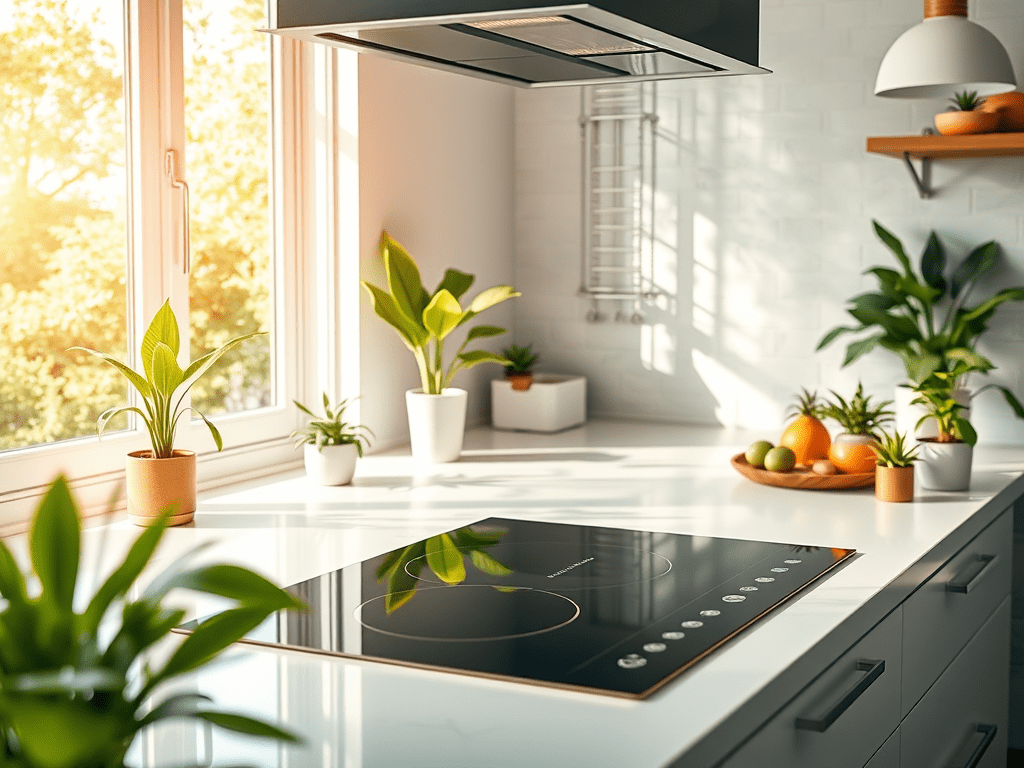
Indoor air quality isn’t just about avoiding dust—it’s about reducing exposure to pollutants that quietly affect your lungs, heart, and long-term health. Whether you’re prepping a nursery, renovating a room, or just trying to breathe easier, here’s a practical guide to making your home’s air cleaner, safer, and smarter.

🥇 Highest Priority Actions
1. Reduce Indoor Combustion (Start with the Gas Cooktop)
Combustion-based appliances and activities are the biggest culprits when it comes to indoor air pollution. Let’s break it down:
🔥 Top Priority: Replace Gas Cooktop with Induction
Gas cooktops release nitrogen dioxide (NO₂), carbon monoxide (CO), formaldehyde, and even methane when turned off. Induction eliminates these combustion pollutants entirely, reducing NO₂ exposure by over 50%.
🔗 Reference your induction cooktop post for full details on health benefits and cooking comparisons.
🧺 Other Combustion Sources to Eliminate
- Gas ovens, water heaters, dryers, and furnaces
- Candles, incense, and indoor wood burning
- Indoor smoking (yes, even “occasionally”)
💡 Why it matters:
Source control is the most effective and cost-efficient way to improve indoor air quality. Removing combustion sources eliminates the release of harmful gases and fine particles at the source.
2. Ventilate with Outdoor Air
- Use exhaust fans in kitchens and bathrooms
- Open windows when outdoor air is clean
- Consider mechanical ventilation systems (ERVs or HRVs)
💡 Pro Tip:
Use the AirNow mobile app (by the EPA) to check your local Air Quality Index (AQI) before ventilating. It tracks PM2.5, ozone, and more—helping you avoid inviting outdoor pollution indoors.
💡 Why it matters:
Ventilation dilutes indoor pollutants, especially during cooking, cleaning, or renovation work. But timing matters—venting during poor outdoor air quality can backfire.

3. Use High-Efficiency Whole-House Air Filtration
Standard 1″ filters miss the mark for serious air cleaning. Upgrade to a 4″ whole-house media filter for a major performance boost.
🌀 Why It Works So Well
- Massive Surface Area: Pleated design offers several times more filtering area
- Longer Lifespan: Runs clean for 6–12 months vs. 1–3 for thin filters
- Less HVAC Strain: Smooth airflow reduces blower wear
- Whole-Home Coverage: Every room benefits
- Cost-Effective: Long-term cost matches basic filters with better performance
💡 Pro Tip:
Skip gimmicky ionizers, ozone generators, and purple-light products. Ozone can worsen asthma, and the science on UV air purifiers is mixed at best.
👨⚕️ Doctor’s Note:
Whole-house filters do the quiet, continuous work of reducing allergens, dust, and even some VOCs—without the clutter or questionable tech.
🥈 Medium Priority Actions
4. Monitor Air Quality
- Track PM2.5, VOCs, CO, and humidity with monitors
- Install carbon monoxide detectors near bedrooms
💡 Why it matters:
Monitoring helps you detect pollution spikes and respond early—especially useful in nurseries or older homes.
5. Control Humidity
- Maintain indoor humidity between 30–50%
- Use dehumidifiers as needed
- Fix leaks quickly
💡 Why it matters:
Balanced humidity prevents mold and promotes comfort for people with asthma or sensitive airways.

6. Clean Strategically
- Vacuum with HEPA filters
- Wash bedding and curtains in hot water
- Declutter to minimize dust traps
💡 Why it matters:
Effective cleaning reduces biological allergens like dust mites, pet dander, and mold spores.

🥉 Lower Priority (Still Helpful)
7. Reduce Off-Gassing from New Items (Secondhand for the Win)
New furniture and flooring—especially those made with particle board, composite wood, foam, or synthetic finishes—can release formaldehyde and other VOCs for weeks or months after purchase. But there’s a smarter way:
🪑 Go Secondhand—It’s Not Just Frugal, It’s Functional
- Higher Quality: Older furniture often uses solid wood, not glue-packed particle board
- Pre-Off-Gassed: Most VOCs are released within the first few weeks—meaning the worst is already over
- Lower Cost: You can get beautiful, durable pieces for a fraction of the price
- Eco-Friendly: Keeps usable items out of landfills, reducing waste and environmental impact
💡 Pro Tip:
If you do buy new, air it out in a well-ventilated garage or patio for at least 5–7 days before bringing it inside. Use fans to accelerate off-gassing.
👨⚕️ Doctor’s Note:
Secondhand isn’t second-rate. It’s one of the best ways to dodge unnecessary exposure to indoor pollutants—and you get character, craftsmanship, and comfort without the chemical cocktail.
8. Choose Safer Cleaning Products (And Embrace Potpourri)
Use fragrance-free or low-VOC cleaners, and skip synthetic sprays and plug-ins.
🌸 Potpourri: The Effortless Freshener
- Toss dried mint, rosemary, citrus peels, or lavender into a bowl or breathable sachet
- Place in bathrooms, bedrooms, or entryways
- No boiling, mixing, or oils—just grab and go
- Replace every few weeks when scent fades
💡 Why it matters:
Potpourri offers a gentle, natural aroma without the chemical fog. It’s safe for kids, pets, and your lungs—and it doubles as decor.







 The Millennial Dad Survival Guide
Leave a comment