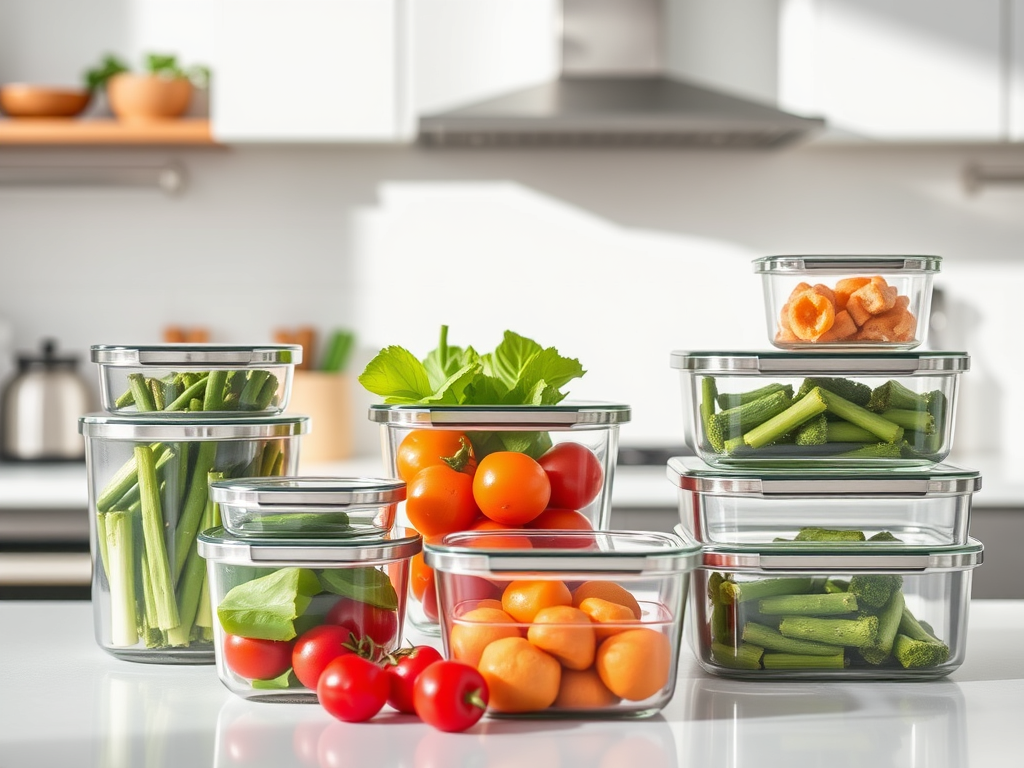
Our fridge shouldn’t feel like a chemistry experiment. Between BPA, microplastics, and mystery stains, it’s time we upgraded our food storage game. I’m a dad, a doctor, and a guy who’s tired of reheating leftovers in containers that smell like last week’s curry. And here’s the kicker: switching to glass and steel isn’t just safer—it’s surprisingly affordable. Let’s talk clean materials and the sanity that comes with knowing your food is stored right.
🩺 Doctor’s Note: Why Plastic Isn’t Just a Convenience—It’s a Health Risk
As a physician and a dad, I’ve seen firsthand how everyday choices—like what we store our food in—can quietly shape long-term health. Plastics may be cheap and convenient, but they come with hidden costs.
A 2023 umbrella review found strong associations between plastic-associated chemicals—like bisphenols, phthalates, and PFAS—and a wide range of health risks, including birth outcomes, endocrine disruption, reproductive harm, neurodevelopmental delays, and increased cancer risk¹.
A 2025 systematic review revealed that microplastics—tiny plastic particles found in food containers and packaging—can disrupt the human gut microbiome, impair immune function, and contribute to chronic inflammation and metabolic syndrome².
Even more alarming? Microplastics have been found in human placentas, liver, and kidneys, raising serious concerns about long-term accumulation and toxicity³.
Bottom line? Plastics aren’t just cluttering your fridge—they’re infiltrating your body. And while we can’t eliminate every exposure, switching to safer materials like glass and stainless steel is one of the simplest, most affordable ways to protect your family’s health.
🧊 The MD-Approved Storage Lineup
Here’s the breakdown of what actually works—and what belongs in the recycling bin:
| Material | ✅ Pros | ❌ Cons | 💬 Verdict |
| Glass | Non-toxic, microwave-safe, stackable, lets you see what’s inside | Heavier, breakable | 🏆 Best all-around choice |
| Stainless Steel | Durable, dishwasher-safe, won’t leach chemicals | Not microwaveable, opaque | 👍 Great for pantry & leftovers |
| Ceramic | Microwave-safe, dishwasher-safe, non-toxic | Breakable, opaque | 👌 Good secondary option |
| Silicone | Flexible, lightweight, some brands are safe | Can leach microplastics, hard to clean oily foods | ⚠️ Use sparingly |
| Plastic | Cheap, light | Leaches chemicals (especially when heated), hard to clean | 🚫 Not MD-approved |
🧠 Lid Logic: Don’t Sleep on the Seal
- Glass + Silicone Lids: These are the MVPs—freezer-safe, dishwasher-friendly, and they actually seal.
- Plastic Lids: Acceptable only if your food doesn’t touch them. Many warp in the freezer and crack over time.
🧺 Veggie Storage Hacks That Actually Work
- Paper Towel Trick: Line the bottom of your glass container with a paper towel to absorb moisture. It’s the difference between crisp bell peppers and slimy sadness.
- Don’t Overpack: Crowded veggies spoil faster. Give them breathing room.
❄️ Fridge Placement: It’s Not All Cold in There
Most fridges have temperature zones. Knowing where to stash your food can make or break its shelf life.
- Coldest Zones: Bottom shelf and crisper drawers (usually deep inside).
- Warmest Zones: Door shelves—great for condiments, terrible for spinach.
- Smart Strategy: Store longer-lasting or more perishable items in the coldest zones. Keep snacks and quick-use items near the front.
🧠 Fridge Size Psychology: Bigger Isn’t Better
Tempted by that massive double-door fridge with LED mood lighting? Resist.
- Large Fridges = Food Graveyards: You’ll forget what’s in the back until it smells like betrayal.
- Counter-Depth Wins: Shallower design means better visibility, less waste, and a sleeker kitchen fit.
Smaller fridge = fresher food = lower grocery bills. It’s math. Dad math.
🫙 Pantry Storage: Free the Pasta Sauce Jar
Skip the plastic bins. Reuse glass jars for dry goods like beans, salt, sugar, and grains. They’re safer, easier to clean, and don’t smell like cumin from 2017.
Bonus: They look good. Like, “I meal prep and have my life together” good.
💬 Final Word from the MD Kitchen
If you wouldn’t serve your family dinner on a scratched-up plastic plate from 2003, don’t store their food in one either.
Upgrade your containers. Your fridge will thank you—with less waste, fewer mystery smells, and veggies that actually stay crisp. And your family? They’ll eat better, waste less, and maybe even help with cleanup (no promises).
📚 References
- Symeonides C, Aromataris E, Mulders Y, et al. An Umbrella Review of Meta-Analyses Evaluating Associations between Human Health and Exposure to Major Classes of Plastic-Associated Chemicals. Ann Glob Health. 2023;89(1):23. doi:10.5334/aogh.4459
- Thin ZS, Chew J, Ong TYY, et al. Impact of microplastics on the human gut microbiome: a systematic review of microbial composition, diversity, and metabolic disruptions. BMC Gastroenterol. 2025;25:583. doi:10.1186/s12876-025-04140-2
- Gross L, Enck J. Confronting plastic pollution to protect environmental and public health. PLoS Biol. 2021;19(3):e3001131. doi:10.1371/journal.pbio.3001131
 The Millennial Dad Survival Guide
Leave a comment