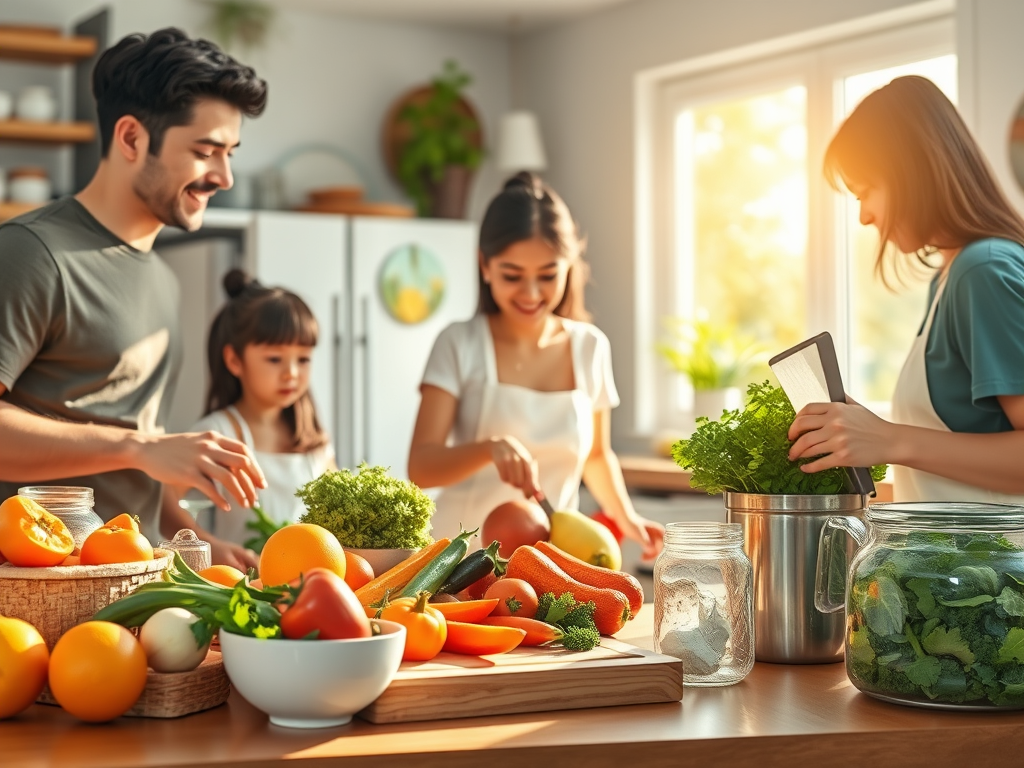
A practical guide for families who care about health, sustainability, and common sense
Microplastics are everywhere—in our food, water, air, and even skincare. While we can’t eliminate them entirely, we can make smarter choices to reduce exposure. This guide breaks down five key areas where families can take action, backed by science and grounded in everyday life.
1️⃣ Minimize Eating It
Microplastics are now found in everything from salt to seafood. But one of the most direct ways they enter our bodies is through food contact materials.
What to avoid:
- Plastic cutting boards, utensils, plates, and cookware
- Takeout containers, especially for hot food
- Plastic wrap and single-use packaging
Why it matters:
- A 2020 study in Environmental Science & Technology found that polypropylene cutting boards shed tens of thousands of microplastic particles during food prep.
- A 2021 study in Journal of Hazardous Materials showed that hot food in plastic containers accelerates leaching of microplastics and endocrine-disrupting chemicals.
- Cooking fresh food at home in glass, stainless steel, or ceramic reduces exposure and improves nutrition—and also saves money.
Sources:
- Yong, C., Valiyaveettil, S. (2020). Microplastics in food: Health risks and mitigation strategies. Environmental Science & Technology.
- Seltenrich, N. (2015). Takeout packaging and chemical migration. Environmental Health Perspectives.
2️⃣ Minimize Drinking It
Plastic particles are found in bottled water, tea, and coffee—especially when served in disposable cups.
What to avoid:
- Plastic water bottles
- Disposable coffee cups (often lined with polyethylene)
- Plastic lids and stirrers
Why it matters:
- A 2018 study by Orb Media found microplastics in 93% of bottled water samples across major brands.
- A 2020 study in Environmental Pollution showed that hot liquids in plastic-lined cups release trillions of microplastic particles.
- Reusable stainless steel or ceramic drinkware drastically reduces exposure.
Sources:
- Mason, S.A., Welch, V.G., Neratko, J. (2018). Synthetic polymer contamination in bottled water. Orb Media.
- Hernandez, L.M., Yousefi, N., Tufenkji, N. (2020). Plastic teabags release billions of microplastics. Environmental Pollution.
3️⃣ Minimize Inhaling It
Airborne microplastics and volatile chemicals are often overlooked but can be just as harmful.
What to avoid:
- Scented candles, air fresheners, and synthetic perfumes
- Fireworks and smoke-emitting products
- Cigarettes and other inhaled substances
Why it matters:
- A 2021 study in Science of the Total Environment found that indoor air contains microplastics from textiles, furniture, and consumer products.
- VOCs from scented products can react with indoor ozone to form secondary pollutants that penetrate deep into the lungs.
Sources:
- Prata, J.C. et al. (2020). Airborne microplastics: Consequences to human health. Science of the Total Environment.
- Steinemann, A. (2016). Fragranced consumer products: Exposures and effects. Air Quality, Atmosphere & Health.
4️⃣ Minimize Skin Contact
Microplastics aren’t just in packaging—they’re inside the products we put directly on our skin.
What to avoid:
- Exfoliating scrubs with polyethylene beads
- Foundations, lipsticks, sunscreens, and lotions containing microplastics or synthetic polymers
- Synthetic applicators and plastic-heavy packaging
Why it matters:
- Leave-on products pose greater risk than rinse-off ones due to prolonged skin contact.
- Nanoplastics (smaller than 1μm) can penetrate the skin barrier and interact with cells, potentially triggering inflammation and oxidative stress.
- A 2021 review in Cosmetics journal found widespread use of microplastics in personal care products, especially in Western markets.
Sources:
- Leslie, H.A., et al. (2021). Microplastics in Cosmetics: Environmental and Health Impacts. Cosmetics.
- Schwabl, P., et al. (2019). Detection of microplastics in human stool. Annals of Internal Medicine.
5️⃣ Minimize Environmental Load
Even if you’re not eating or drinking plastic, it still finds its way into your body through soil, water, and the food chain.
What to avoid:
- Single-use plastics
- Plastic furniture and toys (especially for young children)
- Polyester and synthetic clothing
Why it matters:
- Microplastics from landfills and laundry wastewater enter rivers and oceans, then return to us via seafood and drinking water.
- A 2019 study in Nature Geoscience showed that microplastics are now embedded in agricultural soil, affecting crop health and food safety.
- Natural fibers like cotton, hemp, and wool shed less and biodegrade more easily.
Sources:
- Napper, I.E., Thompson, R.C. (2019). Microplastics in the terrestrial environment. Nature Geoscience.
- Henry, B., Laitala, K., Klepp, I.G. (2019). Microfibers from apparel: Impact and mitigation. Sustainability.
📋 Quick Reference Table
| Exposure Route | What to Avoid | Safer Alternatives |
| Eating | Plastic cookware, takeout containers | Glass, ceramic, stainless steel |
| Drinking | Bottled water, plastic-lined coffee cups | Reusable bottles, ceramic mugs |
| Inhaling | Air fresheners, candles, fireworks | Ventilation, natural scents, none |
| Skin Contact | Microplastic-laced cosmetics | Natural skincare, minimal packaging |
| Environmental Load | Single-use plastics, polyester clothing | Cotton, hemp, reusable goods |
🧠 Final Thoughts
Reducing microplastic exposure isn’t about perfection—it’s about making smarter choices where it counts. Cook fresh. Drink from reusable containers. Skip the scented stuff. Choose natural materials when you can. And remember: every small change helps protect you, your children, their children, and their children.
 The Millennial Dad Survival Guide
Leave a comment